Why You Should Preserve Your Family Stories Now — Before It’s Too Late
Don’t wait until it’s too late. Discover why capturing your family’s stories now is one of the most meaningful things you can do for the people you love.

There is a conversation you have been meaning to have. Maybe it’s sitting down with your father to record his childhood memories. Maybe it’s asking your grandmother about the recipes she never wrote down. Maybe it’s finally capturing the stories your family tells at every reunion before the people who tell them best are no longer at the table.
Most families never get around to it. And that delay has a cost. When you preserve family stories, you are doing more than archiving the past. You are giving future generations access to the identity, wisdom, and emotional connections that make your family who they are.
The Stories That Disappear First
We tend to assume that the most important stories will survive on their own. The big events — weddings, births, career milestones — usually get documented in photos and social media posts. But the stories that give a family its character are rarely the headline moments.
It is the quiet ones that disappear: how your parents met, what your grandfather worried about during the war, the lesson your mother learned from her first job, the reason your family moved across the country. These stories carry context, values, and emotional truths that no photo album can capture. Without an intentional effort to record family history, they vanish within a single generation.
Why Families Wait Too Long
The most common barrier to family memory preservation is not technology or cost. It is the assumption that there will always be more time. Research shows that most adults do not begin thinking seriously about legacy preservation until a parent’s health declines, and by then the window for rich, detailed storytelling has often closed.
Cognitive decline, stroke, dementia, and sudden loss can all eliminate the opportunity to capture life stories in a meaningful way. The families who avoid this regret are the ones who start the process while their loved ones are healthy, sharp, and willing to share.
What Happens When Stories Are Lost
When a family loses its storyteller, the impact goes beyond grief. Children and grandchildren lose access to the lived experience that shaped their parents. Identity questions go unanswered. Cultural traditions lose their context. And the unique personality of the person — their humor, their advice, their way of seeing the world — fades from collective memory within a decade.
A lasting legacy is not just about being remembered. It is about being understood. When you preserve memories in an interactive, conversational format, you give future generations the ability to engage with the person behind the stories, not just read about them.
The Best Time to Start Is Now
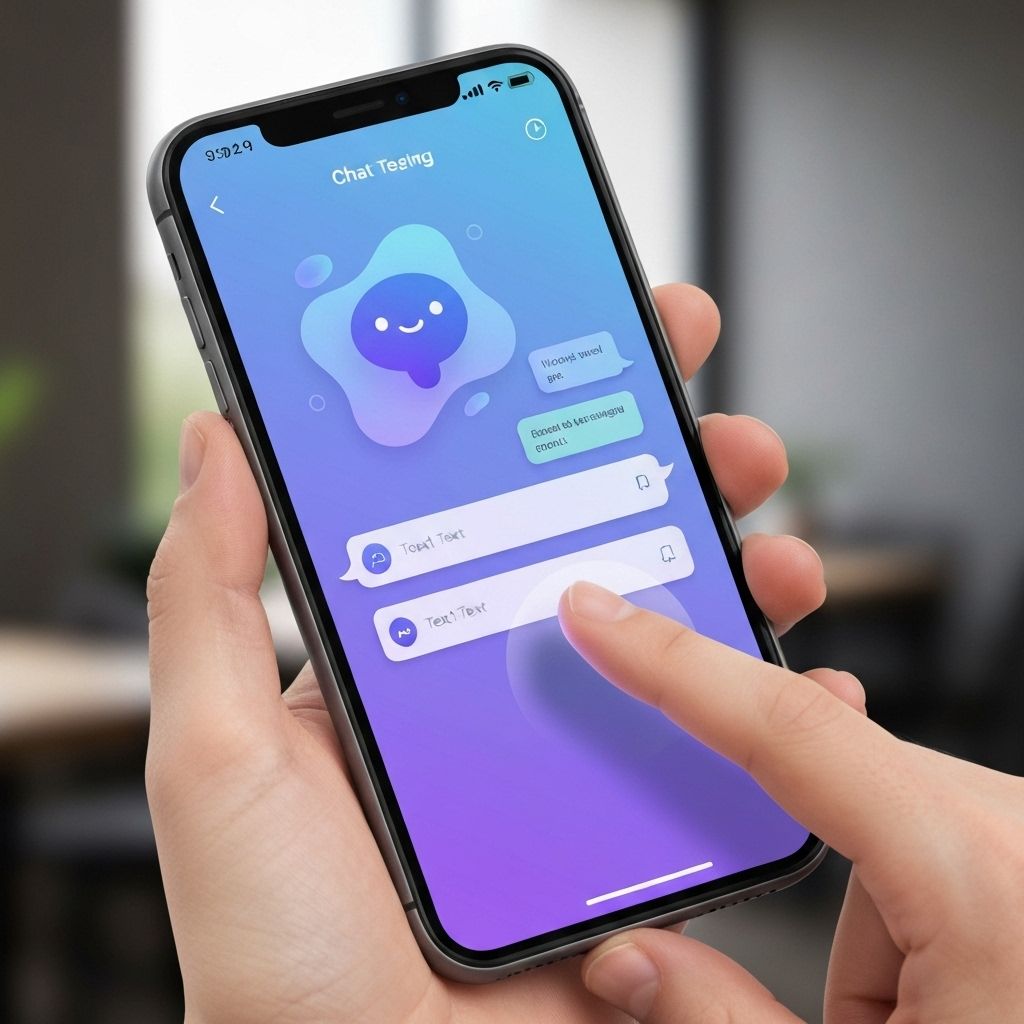
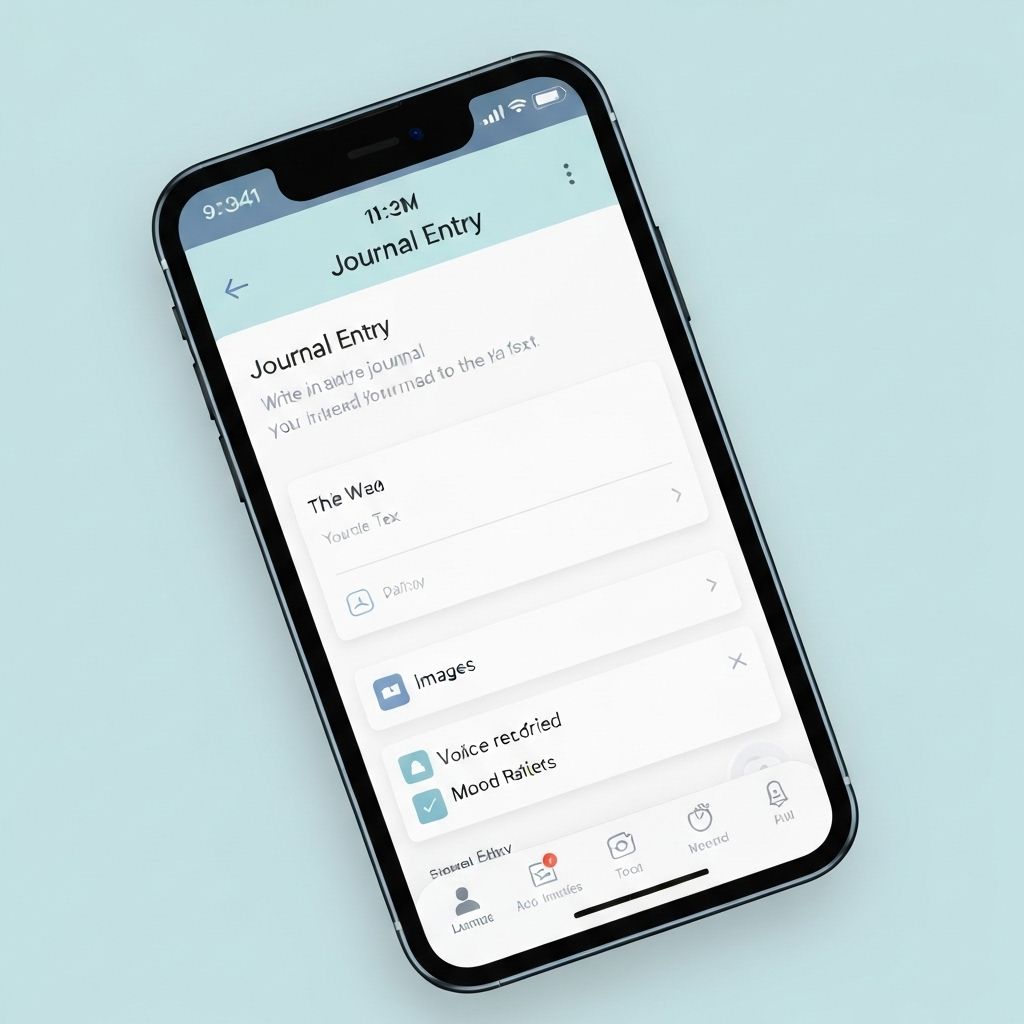
Digital legacy tools have made the process of preserving family stories more accessible than ever. Platforms like LastingMind allow you to capture your thoughts through guided questions, journal entries, and interviews at your own pace. There is no studio, no professional equipment, and no pressure to get everything perfect in one sitting.
The result is a personal AI that speaks in your voice, recalls your real answers, and allows your family to have ongoing conversations with your legacy. Your children do not just inherit a document. They inherit a living connection to who you are. Start the conversation today, because the stories that matter most are the ones you still have time to tell.